 Log in


Sheepskin Motorcycle Seat Cover: Worth It in Summer?
A sheepskin motorcycle seat cover has a loyal following, and for good reason. For decades riders have thrown a piece of natural wool over a hard factory seat and felt the difference on long days. But the real question for touring riders is whether sheepskin holds up when the heat climbs and the humidity sticks your jeans to the seat. That answer is more complicated than most product pages let on.
Below we break down where sheepskin shines, where it falls apart in summer, and how it stacks up against 3D mesh for hot weather touring. This is an honest look, not a pitch. Sheepskin has a place. It just may not be the best seat cover when the asphalt is shimmering.
Why Sheepskin Has Been a Go To Seat Material for Decades
Sheepskin earned its reputation long before mesh existed. Riders crossing big distances figured out early that a layer of natural wool between them and the seat took the edge off the miles. The appeal is simple and real.
- Pressure spreading. Dense wool fibers compress under your weight and spread the load across a wider area instead of jamming into your sit bones.
- Natural cushion. A good sheepskin bike seat cover adds a soft layer over a thin or worn factory seat.
- Moisture handling in cool air. Wool can pull moisture away from the skin, which feels dry on a cold morning ride.
- Looks and feel. Plenty of riders just like the look of real wool on a touring bike, and a sheepskin motorcycle seat pad has a premium feel under you.
You see motorcycle sheepskin on everything from cruisers to adventure bikes. BMW sheepskin seat covers in particular have a devoted crowd of GS riders who swear by them on gravel and long pavement stretches. The material is genuinely good at what it does well. The trouble starts when the temperature does.
How Sheepskin Regulates Temperature Versus Synthetic Options
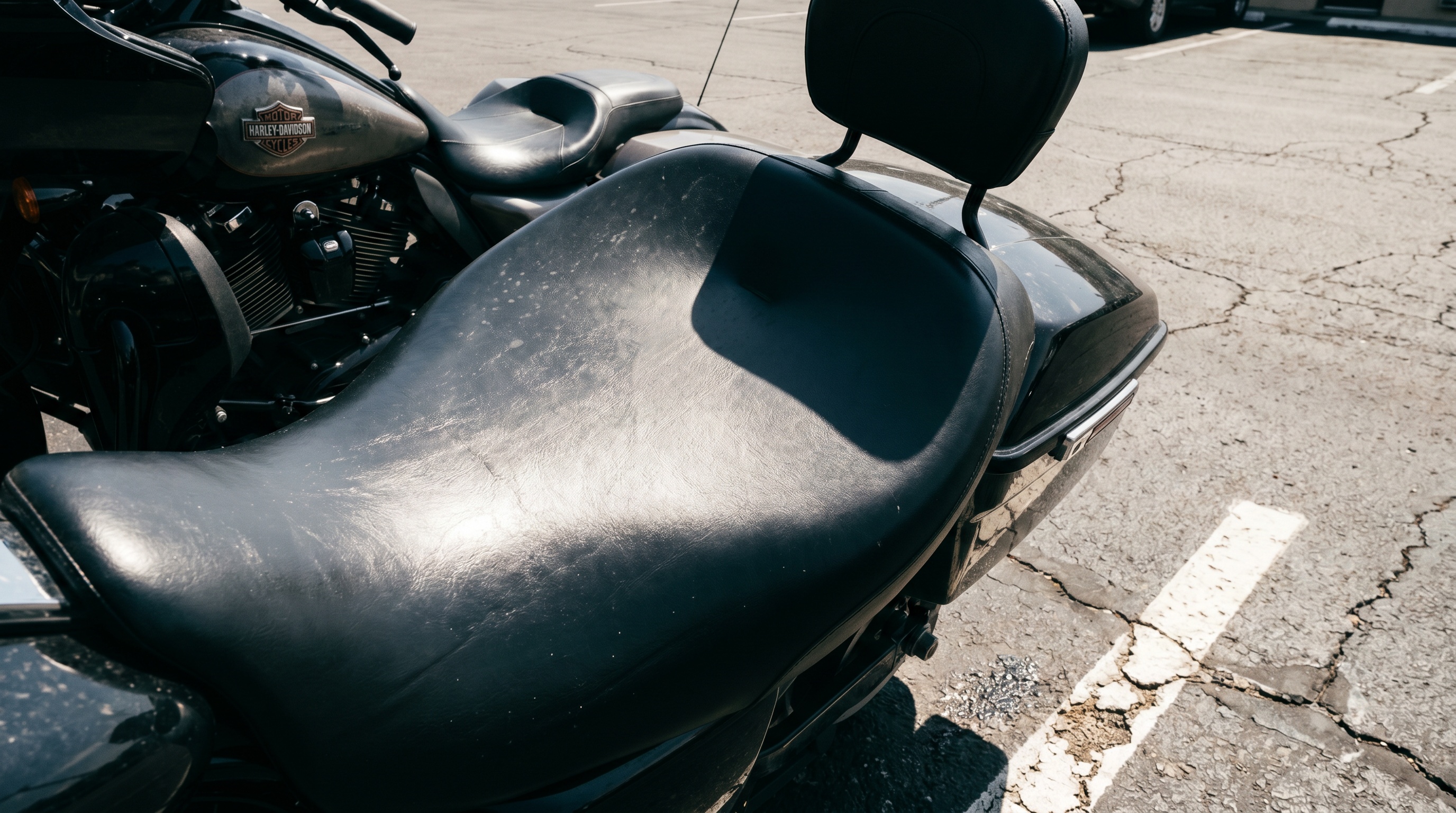
Wool is a natural insulator. That word matters. Insulation works both ways. The same fibers that trap warmth against you on a cold morning also slow heat from leaving your body when it is hot out. A synthetic foam pad or a vinyl factory seat conducts heat differently, but neither moves air the way an open structure does.
In cool to moderate weather, sheepskin regulates temperature better than bare vinyl. The wool buffers you from a cold seat and breathes a little as you ride. That is the honest strength of the material, and it is why riders in mild climates keep coming back to it.
The issue is what insulation does in summer. When the air is already hot and your body is generating heat, you want that heat to escape. A dense wool layer sits between you and any moving air. It can hold warmth against your body and trap the moisture it absorbed earlier in the day. That is a different job than a motorcycle cooling seat cover is built for.
Where Sheepskin Falls Short in Hot and Humid Summer Riding
Here is the part most sheepskin sellers gloss over. On a long, hot ride the same traits that feel great in spring start to work against you.
- Heat retention. Wool insulates. In direct summer sun it can hold warmth against you rather than letting it move away.
- Slow to dry. Once a sheepskin pad soaks up sweat or rain, it stays damp. A wet sheepskin seat under you in humidity is its own kind of misery, and it dries slowly.
- Sun and weather wear. Real wool left baking in the sun and rained on repeatedly breaks down over time and can mat or smell.
- No real air gap. Sheepskin sits flat against the seat and flat against you. There is no open channel for air to move underneath the rider.
- Sweat against the body. When the wool is saturated, it can hold that moisture right where you sit, which feeds the dreaded monkey butt on a long haul.
None of this means sheepskin is bad. It means it was built for a different problem. If your summer rides involve standing on the pegs at every fuel stop to peel your jeans off a damp seat, the material is fighting you instead of helping. We hear this from riders who loved their sheepskin until July showed up.
Comparing Sheepskin to 3D Mesh for Summer Touring
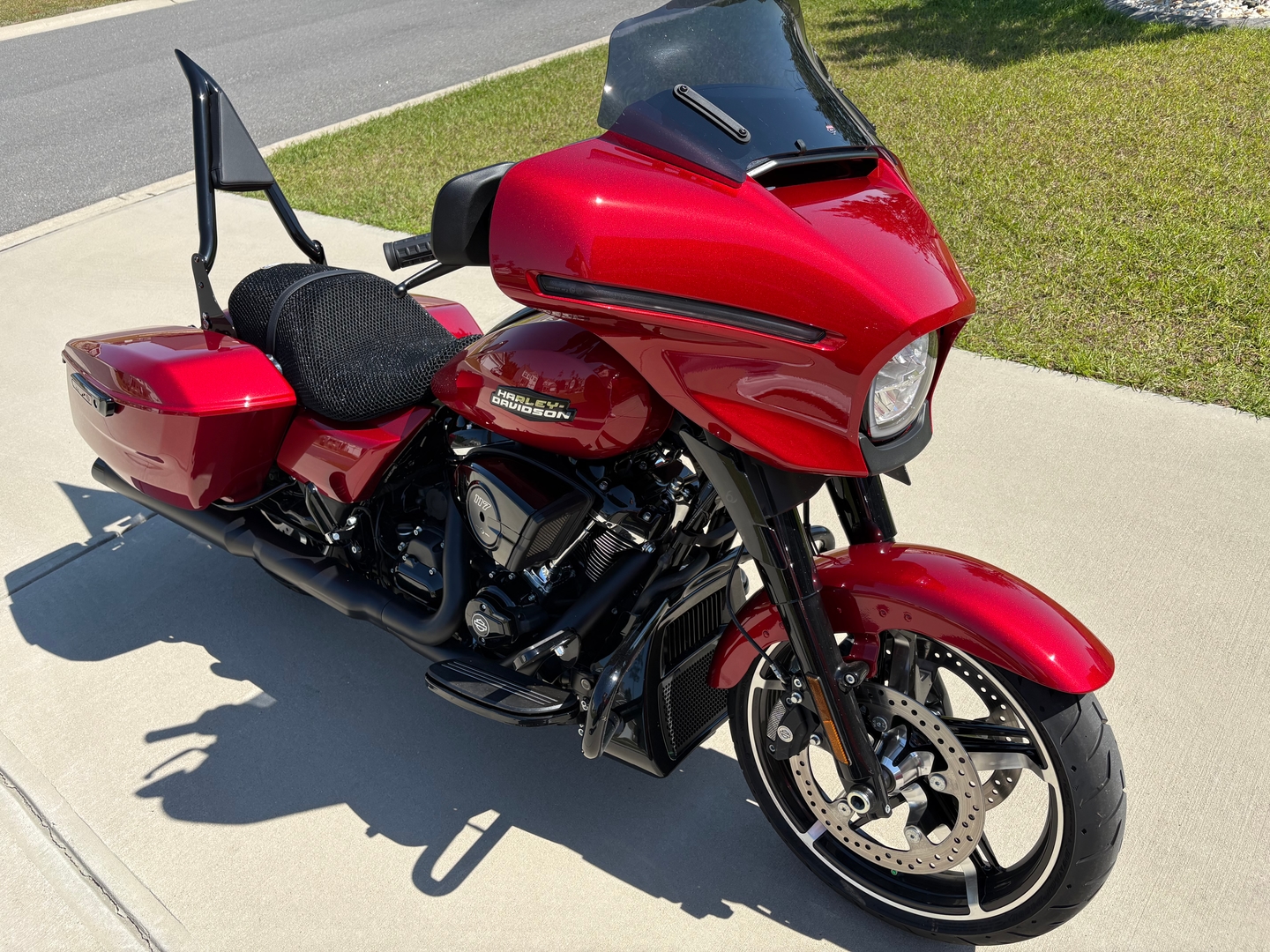
This is the real fork in the road for a hot weather rider. Sheepskin and 3D mesh solve different problems, so the right pick depends on your climate and your miles. Here is a straight comparison.
| Feature | Sheepskin seat cover | 3D mesh seat cover |
|---|---|---|
| Hot weather airflow | Limited, sits flat against rider | Raised structure lets air move under the rider |
| Cold weather warmth | Strong, natural insulation | Less insulating, more about cooling |
| Drying after rain | Slow, holds moisture | Drains water, dries fast |
| Sweat handling | Absorbs and holds it | Breaks up the buildup of trapped sweat |
| Sun and weather durability | Wool can mat and break down | Built for sun and rain exposure |
| Best for | Mild climates, cooler rides | Hot, humid summer touring |
What Is a 3D Mesh Seat Cover and How Does It Work?
A 3D mesh motorcycle seat cover works by creating a raised open layer between the rider and the seat. The mesh structure lifts you slightly off the surface so air can move underneath you as you ride. That moving air carries heat away and breaks up the sweat that would otherwise sit trapped against your body on a long ride.
That air gap is the core difference. Sheepskin is flat and absorbent. The open structure of mesh is the whole point of mesh motorcycle seat covers built for heat. If you want a deeper breakdown of how that gap behaves on a long summer day, our guide to the best mesh motorcycle seat cover for long summer rides walks through it.
Sheepskin Versus Gel and Other Hot Weather Fixes
Sheepskin and mesh are not your only choices, and it helps to know how the other common fixes hold up before you spend money. Gel pads, for example, get pitched hard for comfort but behave very differently in heat than the marketing suggests. We covered that in detail in our look at whether motorcycle gel pad seat covers really help, and the short version is that gel can hold heat too.
The lesson across all these materials is the same. Cushion alone does not keep you cool. A thick pad of any kind can feel great in the driveway and turn into a hot, sweaty problem two hours into a summer ride. What actually changes how a seat feels in heat is air moving under the rider, not more padding pressed against your body. If you are still weighing your options, our breakdown of how to pick the right motorcycle seat cover lays out the full decision.
How to Choose Between Sheepskin and Mesh
Match the material to the riding you actually do, not the riding you imagine. Run through these quick questions before you buy.
- Where do you ride most? Cool, dry climates favor sheepskin. Hot and humid favors mesh.
- How long are your days? Short cool rides forgive almost any material. All day summer miles punish anything that traps heat.
- Do you ride in rain? If your gear gets soaked often, a cover that drains and dries fast beats one that stays wet.
- Is your factory seat cracked or worn? Both materials can cover a damaged seat, but only one keeps you cool while it does.
- What bothers you most? If it is a cold seat at dawn, wool helps. If it is the hot seat dance and wet jeans, you want air moving under you.
For a lot of touring riders the honest answer is seasonal. Sheepskin for spring and fall, mesh for the heat. If you only want to buy one cover and most of your big miles happen in summer, the math points toward the option built for moving air.
How Wind Rider Closes the Gaps Sheepskin Leaves in the Heat
The Wind Rider mesh seat cover is built for the exact conditions where sheepskin struggles. The raised 3D mesh creates an open layer so air moves under the rider, which breaks up trapped heat and the sweat that feeds monkey butt on long days. It drains water and dries fast instead of staying soggy after a storm. It grips you in the corners, covers a cracked or worn factory seat, and adds a comfort layer without sealing heat against your body. You can read more about how the airflow gap works on the Wind Rider product page.
It is cut to your specific bike model, ships free worldwide, and installs in about 5 minutes with velcro straps that loop under the seat. No tools, though you will need to remove the seat to loop the straps. It is backed by a 30 day guarantee, so you can ride on it and send it back for a full refund if it is not for you.
If most of your big miles land in summer heat, see whether your bike is covered and check the fit on the Wind Rider product page. Sheepskin had its decades. For hot weather touring, air moving under the rider wins.
About the author: Rick Donovan. Touring rider, 25 years on Harleys, writes about long-haul comfort and the gear that earns its place on a long ride.