 Log in


Motorcycle Seat Shade Tips for Hot Parking Lot Days
You park in the sun for twenty minutes. You come back, swing a leg over, and your seat feels like a stovetop. Finding good motorcycle seat shade is the difference between a smooth start and the hot seat dance the second you sit down. This guide covers how hot a black seat really gets, the shade tricks riders actually use, and the seat setups that keep things cooler all day.
It hits hardest in summer. On a hot weekend when riders pour out to meetups, cruises, and cookouts, a lot of bikes spend the afternoon baking in open lots. A few smart habits keep your seat usable when you walk back out.
How Hot Does a Black Motorcycle Seat Get in Direct Sun
A black vinyl seat in full sun gets hot enough to make you flinch through jeans. Dark surfaces absorb sunlight and hold it. Vinyl and dense foam trap that heat near the surface, so the top layer stays scorching long after you park. The hottest part is usually the spot your sit bones land on.
Why does a black seat get so much hotter than a light one? Dark colors absorb more of the sun's energy instead of reflecting it. That absorbed heat builds in the vinyl cover and the foam underneath, and both materials are slow to release it. So even after clouds roll in, a baked seat can stay uncomfortable. We break down the full chain of cause and effect in our guide to why your motorcycle seat gets so hot in summer heat.
How long that heat lingers depends on how long you parked and how dark the seat is. A quick ten minute stop barely warms the surface, but an hour in full afternoon sun can leave the seat hot to the touch well after you pull away. Foam holds heat longer than the vinyl on top, so even once the surface feels cooler, the cushion underneath can keep radiating warmth into your first few miles. That is why a short walk back to a baked bike still earns the hot seat dance.
The takeaway is simple. The longer your bike sits uncovered in direct sun, the longer you wait or suffer before you can ride off in comfort.
Motorcycle Seat Shade Tricks When Covered Parking Is Not Available
Covered parking is the dream. Most days you get an open lot, a gravel shoulder, or a curb in front of a diner. Here are shade moves riders lean on when there is no roof in sight.
- Chase the shadow. Park on the shaded side of a building, a tall sign, or a tree line. Remember the sun moves, so aim for where the shade will be when you walk back, not just where it is now.
- Use a light colored towel or cloth. Drape a pale towel over the seat. Light colors reflect more sun than they absorb, so the seat under it stays cooler.
- Carry a packable seat cover or tarp. A small reflective windshield shade or a light tarp folds into a saddlebag and throws shade over the whole seat quickly.
- Angle the bike. Point the seat away from the lowest part of the sun when you can. Even a small angle change keeps part of the seat shaded.
- Park near other bikes or a truck. A taller vehicle next to you can block the worst afternoon sun off your seat.
None of this takes special gear. A folded towel and a habit of reading where the shade will fall covers most parking lots. For longer stops, a reflective shade earns its space in your bag.
Seat Covers With Reflective or Heat Resistant Properties
Shade tricks help while you are parked. What about the cover material itself? Some seat covers handle heat better than others, and the material your seat wears makes a real difference when the bike sits in the sun.
Here is how common options compare on a hot day.
| Cover type | Hot weather behavior |
|---|---|
| Black vinyl (stock seat fabric) | Absorbs sun, holds heat, slow to cool |
| Gel seat pad for motorcycle | Cushions well but can warm up and trap heat against you |
| Lambskin motorcycle seat cover | Insulates and breathes some, but dense and can hold warmth in direct sun |
| 3D mesh cover | Open weave does not bake like vinyl, far cooler to sit on after a sun baked park |
A gel seat pad for motorcycle seats is popular for cushioning, but gel can soak up sun heat and hand it right back to you. A lambskin motorcycle seat cover feels great in cooler months and softens long days, though thick wool in full sun can hold warmth against your body. There is no single best motorcycle seat fabric for every climate, which is why riders in hot regions often look past plush options toward something that moves air.
Light colored custom motorcycle seat covers reflect more sun than dark ones, so color matters too. If you are weighing materials, our breakdown on how to pick the right motorcycle seat cover walks through fit, fabric, and use case so you match the cover to how and where you ride.
Ride Day Habits That Keep Your Seat Cooler
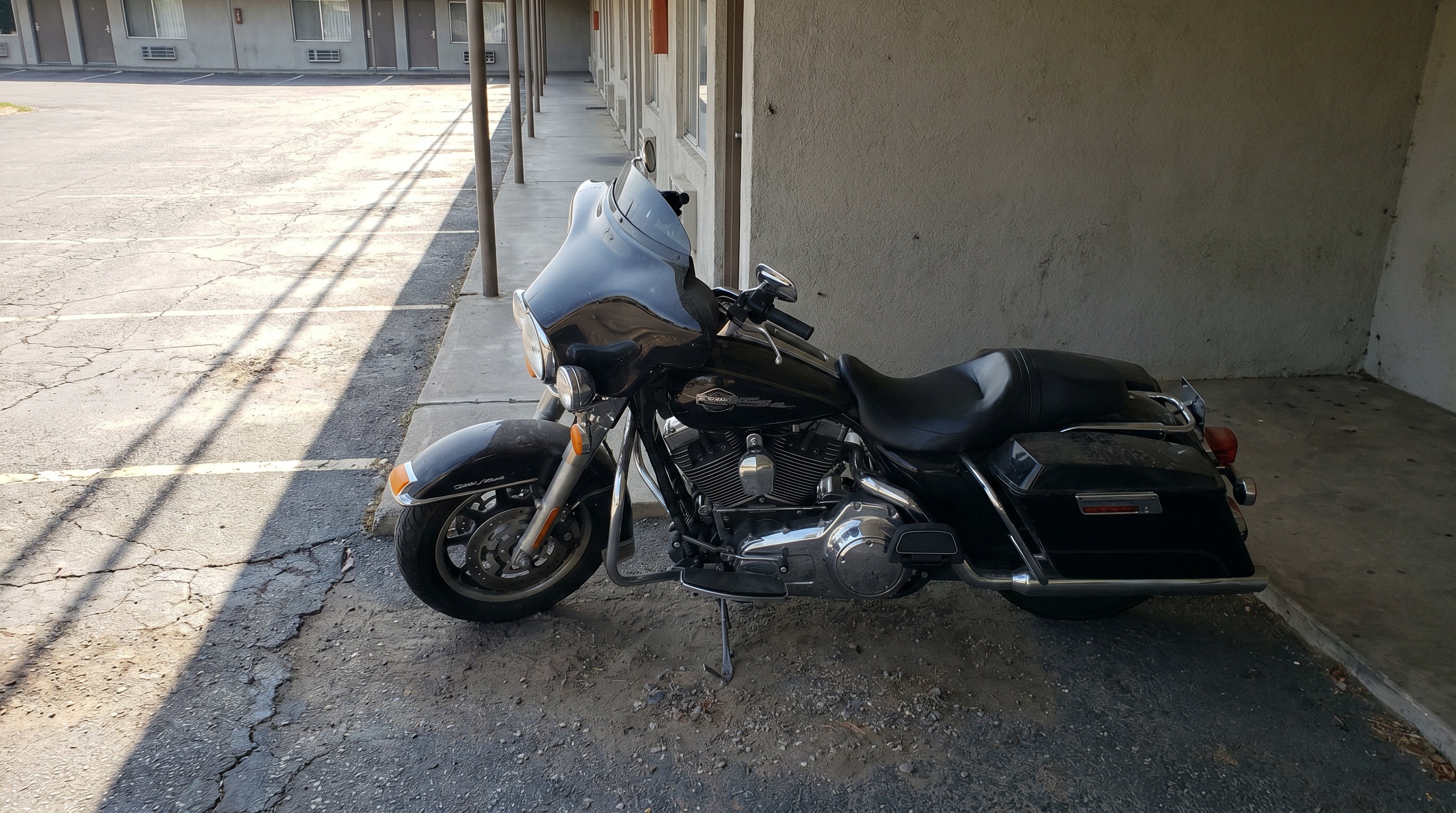
The right gear helps, but small habits keep your seat cooler from the moment you sit down. These cost nothing and add up over a long, hot riding day.
- Park smart every single stop. Make shade your default. Even quick fuel stops add heat to a dark seat, so tuck under the canopy at the pumps when you can.
- Crack the seat with airflow. If your seat lifts off easily, a quick removal during a long lunch lets trapped heat escape from the foam.
- Drape your jacket or a towel before you walk away. Two seconds of cover saves you the flinch when you return.
- Wet a bandana for the first few miles. A damp cloth on the seat cools the surface fast, and the breeze finishes the job once you roll out.
- Stand on the pegs for the first stretch. Standing lets air move under you and gives the seat a minute to shed the worst of the heat.
Heat is not the only thing that wears you down on a long day. Pressure and numbness creep in too, and managing both keeps you fresh in the saddle. Our guide on how to fix numb butt on a long motorcycle ride pairs well with these cooling habits for big mile days.
A few more things worth knowing while you organize your ride day. If you run motorcycle rear seat luggage or a saddlemen tour pack backrest, that gear can shade part of the seat by accident, which is a small bonus on a hot lot. A motorbike seat cowl on the passenger spot also blocks some sun off the rear. And if your stock seat is cracked from years of sun, you are looking at a motorbike seat recover or a cover to hide the damage before water gets into the foam.
How Wind Rider Mesh Covers Reduce Heat After a Sun Baked Park
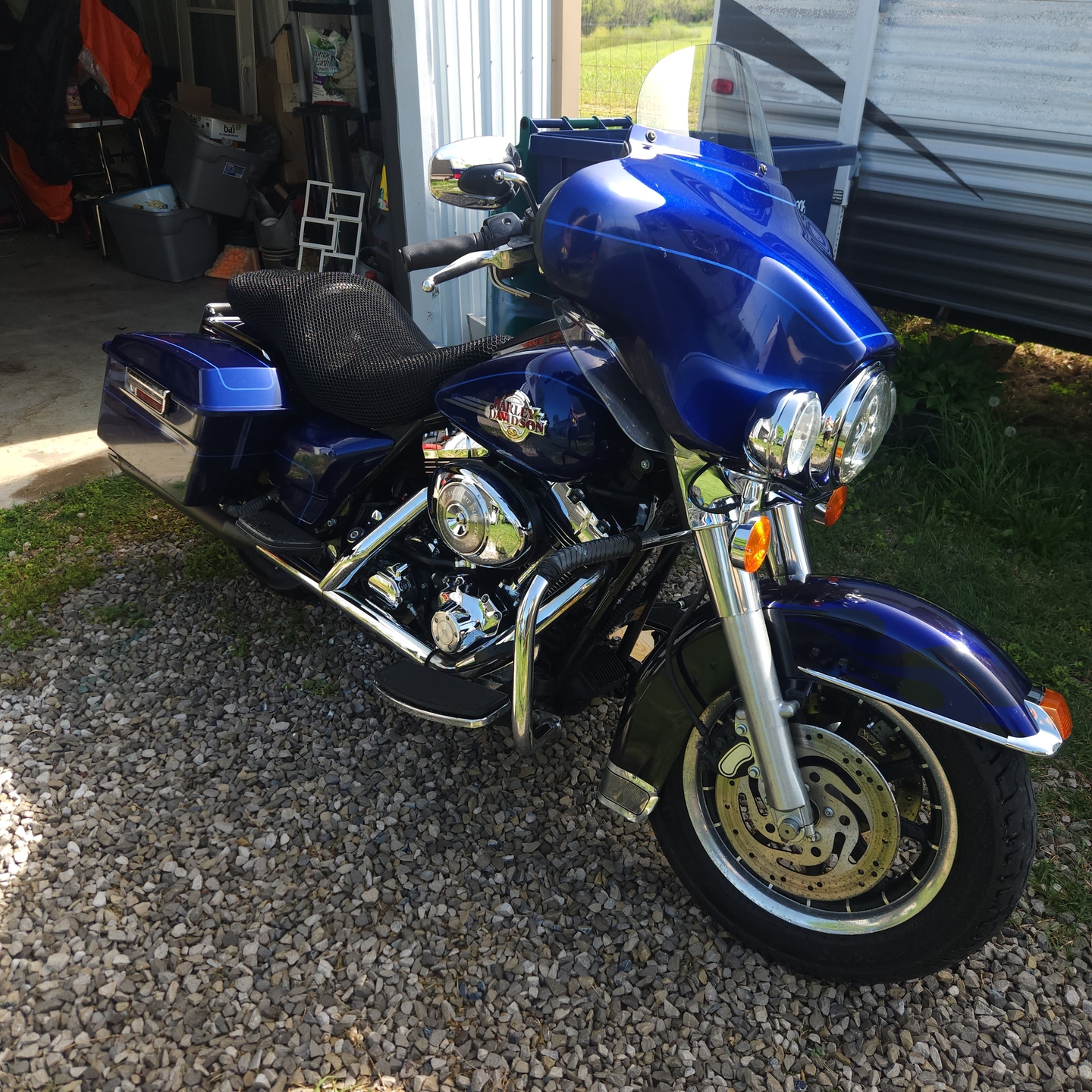
How does a mesh cover keep you cooler after the bike has been parked in the sun? It starts the second you sit down. The 3D mesh is an open, ventilated weave that sits raised above the seat, so it does not bake into a stovetop the way solid black vinyl does. Vinyl is a sealed surface that soaks up sun and holds it, while the open mesh lets that heat pass straight through the gaps instead of storing it, and only the thin top of the weave ever touches you. So when you swing a leg over a bike that has been parked in the sun, you come down on the raised mesh and the air moving through it, not the scorching vinyl underneath. No hot seat dance, even before you pull away.
Then the air gap keeps working once you roll out. Air moves through that raised layer as you ride, carrying off any warmth so the seat stays cool mile after mile. That separation is the whole point of the Wind Rider mesh seat cover. It also drains water, so a wet seat after rain dries faster, which keeps the seat usable after a passing storm instead of leaving you with soaked jeans for the rest of the ride. The grip helps you stay planted in corners, and it adds a comfort cushion for long days.
It installs in about 5 minutes with velcro straps that loop under the seat. No tools, just lift the seat off, run the straps, and reinstall. Every cover is cut to your specific bike model, so it fits clean without the bunching you get from generic motorcycle hard covers or one size wraps. Shipping is free worldwide and it comes with a 30 day guarantee.
Shade habits help while the bike sits empty. The mesh cover handles the rest. It takes the sting out of a baked seat the moment you sit down, and keeps the air moving once you ride. Check fit for your bike on the Wind Rider product page and ride off cooler this summer, even after a long day baking in the lot.
About the author: Rick Donovan. Touring rider, 25 years on Harleys, writes about long-haul comfort and the gear that earns its place on a long ride.