 Log in


How to Fix Numb Butt on a Long Motorcycle Ride
If you have ever pulled over after 90 minutes in the saddle and spent the next 5 minutes walking stiff circles around the bike, you already know the problem. Numb butt on a long motorcycle ride is not just discomfort. It is a signal from your body that blood flow to the soft tissue under your sit bones has dropped below the threshold your nerves can ignore. The longer you stay seated without relief, the worse the downstream effects get. This guide covers what actually causes it, what fixes are worth your time, and what most riders waste money on before they find something that works.
What Actually Causes Numbness and Pressure Pain in the Saddle
The root cause is sustained compression of soft tissue against a firm surface. Your sit bones, technically the ischial tuberosities, transfer nearly 60 to 70 percent of your seated body weight onto a contact area roughly the size of two fists. Factory seats are molded from polyurethane foam that compresses 18 to 22 percent under average rider weight. Within that compressed zone, capillaries that feed blood to surface tissue get flattened. When blood flow drops below roughly 32 mmHg of pressure, nerves begin to signal discomfort. Hold that position past the 60 to 90 minute mark and the signal shifts from discomfort to full numbness.
Most stock seats make this worse in two specific ways. First, the foam density is set at the factory as a compromise across an enormous range of rider weights, from 140 to 280 pounds or more. A foam spec that works reasonably well at 175 pounds may bottom out and go rigid for a 220 pound rider well before the 2 hour mark. Second, the vinyl or leather cover over the foam seals heat against your body. Surface temperatures on a black motorcycle seat in direct summer sun routinely hit 130 to 160 degrees Fahrenheit before you even sit down, and the trapped warmth underneath you stays elevated well after you mount up.
How Riding Posture and Rest Stops Can Interrupt the Numbness Cycle
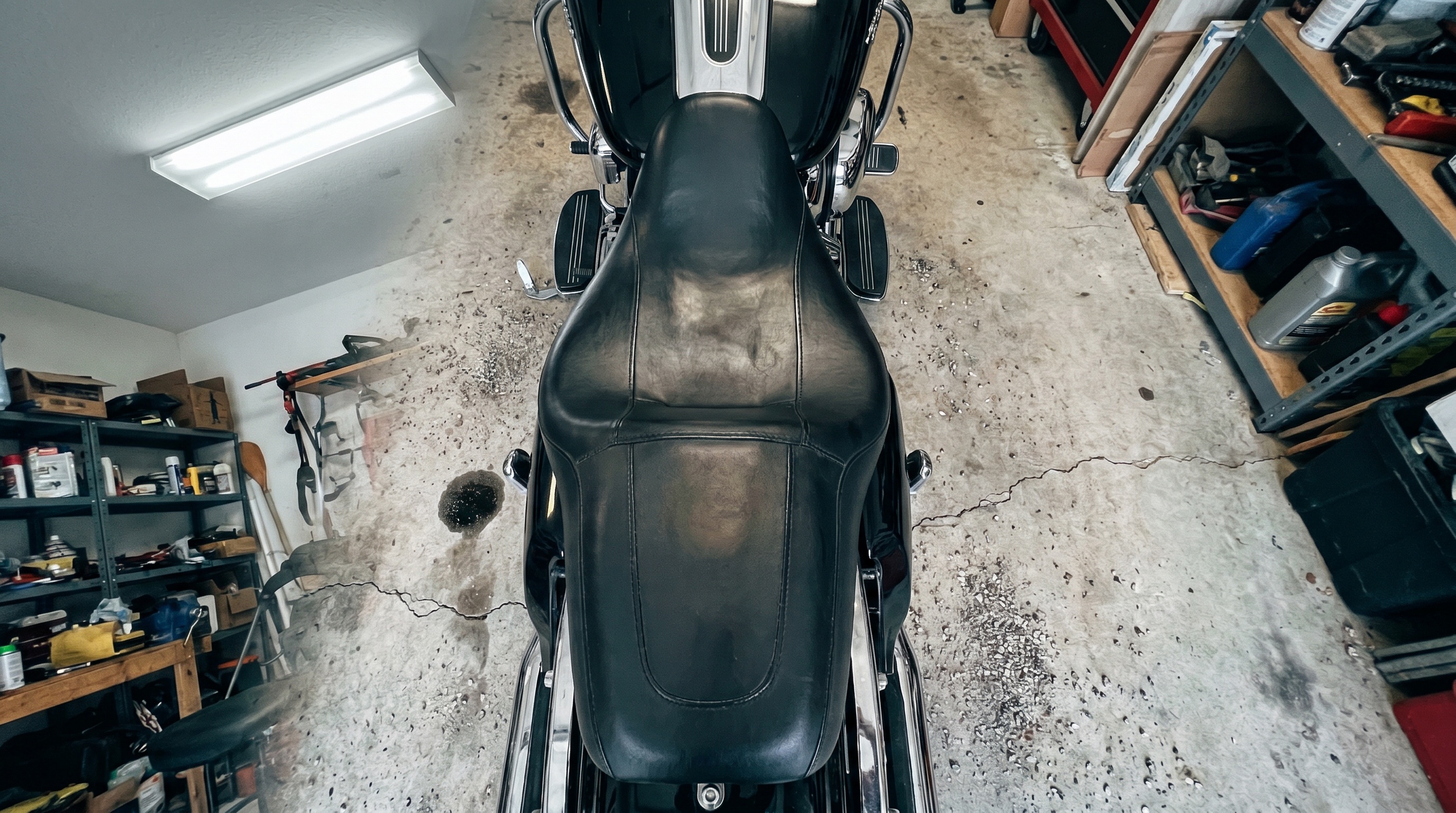
You do not need to stop riding every 30 minutes to manage this, but you do need a schedule. Research on seated pressure relief shows that shifting your weight or standing briefly for as little as 20 seconds every 45 minutes is enough to restore near normal blood flow to compressed tissue. Riders who wait until they feel numb are already past the 60 to 90 minute compression window and need 5 to 10 minutes off the bike to fully reset circulation.
Posture plays a bigger role than most riders expect. Leaning forward even 10 degrees shifts weight forward onto the thighs and away from the ischial contact zone, redistributing pressure across a larger surface area. On a cruiser or bagger with a forward foot position, you can use your legs to unload the seat by pushing slightly into the pegs while sitting upright. This is not the same as standing on the pegs, but it transfers 15 to 20 pounds of load off the seat surface without requiring a stop.
Hydration matters too. Dehydrated tissue loses elasticity and compresses more readily under sustained load. Riders doing 400 plus mile days in summer heat, particularly in the Southwest, often report numbness setting in 30 to 40 minutes earlier than on cooler days. Drinking 16 to 20 ounces of water per hour of riding in 90 degree or higher temperatures keeps tissue pliability closer to its resting state.
Why Heat Makes Pressure Points Feel Worse After Hour Two
Heat and pressure interact in a way most riders do not think about until they have spent a summer crossing Texas or Nevada. When your seat surface temperature is elevated, the tissue under your sit bones is simultaneously dealing with compression and thermal stress. Skin and underlying fat tissue lose structural firmness as temperature rises. This means the foam beneath you compresses more of your soft tissue than it would on a 65 degree morning ride, increasing the contact area that gets flattened against the seat pan.
There is a secondary effect worth knowing. Sweat trapped between your riding pants and the seat surface creates friction, which means your body cannot shift position as easily during minor weight redistributions. Riders call this the hot seat dance: the instinct to lift one cheek, then the other, every few minutes, trying to find a spot that has not been cooked yet. If you want to understand more about why the seat surface itself gets so hot before any of this starts, our post on why motorcycle seats get so hot in summer heat covers the thermal physics in detail.
A motorcycle seat shade or a light colored seat cover can reduce peak surface temperature before you mount up. Tests show that a white or silver cover surface can be 30 to 40 degrees Fahrenheit cooler than bare black vinyl after 2 hours of direct sun exposure. That matters most at the start of a ride, when tissue is not yet compressed and temperature management is easiest.
What Seat Surface Options Actually Help Versus Gimmicks
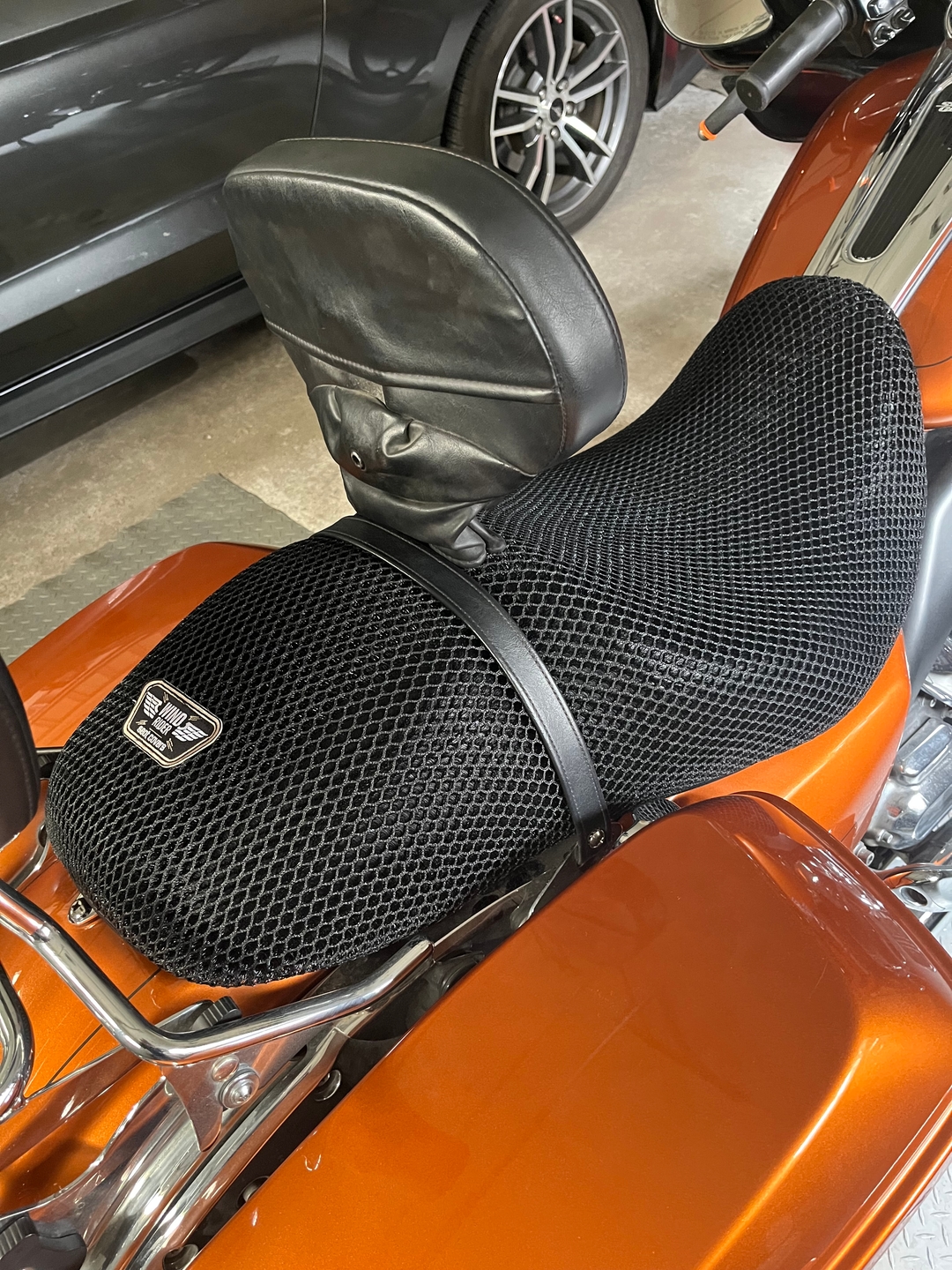
This is where riders spend the most money and get the most variable results. Here is an honest breakdown of what each common solution does and does not do.
A gel seat pad for motorcycle use works by spreading load across a larger surface area. Gel conforms to body shape better than polyurethane foam, which can lower peak pressure under the sit bones by 15 to 25 percent in lab testing. The problem is that gel is heavy, adds 1 to 3 pounds to the seat, and traps heat even more aggressively than foam because it has no airflow channels. A gel seat cover for motorcycle rides that stay under 3 hours in mild weather is a reasonable choice. For summer touring beyond 200 miles in a day, the heat trapping generally cancels out the pressure relief benefit.
A lambskin motorcycle seat cover, sometimes called a sheepskin seat cover, distributes pressure through natural fiber compression and wicks moisture moderately well. Sheepskin performs best in cool to moderate temperatures, roughly 40 to 75 degrees Fahrenheit, where its insulating properties are an asset rather than a liability. In Texas in July, sheepskin becomes hot and retains sweat, which creates the same friction problem described above. It also requires drying time after rain, which makes it impractical for multi day touring without a motorcycle seat rain cover over the top.
Reseating or replacing the foam in your factory seat can help if the foam has aged past its useful life. Foam that has compressed 30 percent or more from its original thickness has lost its ability to distribute load and is essentially a rigid platform. A professional upholsterer can replace foam for $150 to $400 depending on the seat and region. Custom motorcycle seat covers with upgraded leather or synthetic covers are often part of the same service. This is worth doing if your foam is more than 5 years old and showing visible sagging.
Aftermarket seats from brands that specialize in touring comfort typically run $400 to $900 and redesign the foam profile for specific riding positions. If you log more than 15,000 miles per year, the cost per mile math often justifies it. For riders who do one or two big trips annually, it is a significant investment for a problem that has lower cost solutions available.
How Raised Mesh Reduces Contact Pressure Without Adding Heat
The mechanism that actually addresses both pressure and heat simultaneously is an air gap between your body and the seat surface. A 3D raised mesh structure creates that gap, typically 6 mm of lift, which does two things at once. First, the raised contact points of the mesh distribute your weight across more points of contact than flat foam does, which lowers peak pressure at any single point. Second, air moves through the mesh horizontally as you ride, carrying heat away from the seat surface before it can accumulate under your riding pants.
This is different from a gel seat pad or a flat seat cover because it is not just softening the surface. It is changing the thermal environment at the contact zone. Riders doing 500 plus mile days in temperatures above 90 degrees Fahrenheit report that mesh allows them to complete the full day without the hot seat dance that interrupts their riding rhythm on uncovered seats. The mesh does not change the foam underneath, but it changes what your body is actually sitting on: raised fiber nodes instead of a solid compressed surface.
The Wind Rider mesh seat cover uses this raised mesh structure and installs over your existing seat using velcro straps, with no tools required and an install time of about 5 minutes. It is cut for specific bike models so it stays in position without bunching. If you are tired of the numb butt cycle on long rides, the Wind Rider mesh seat cover is worth checking against your bike on the product page. For riders with aftermarket seats from brands like Sargent, Russell, or Corbin, email service@windriderseatcovers.com with your bike and seat brand for a custom measurement fit.
A Practical Plan for Your Next Long Ride
Combine what works. No single solution fixes every variable, but the following stack addresses the three root causes: compression, heat, and friction.
- Set a timer for 45 minutes while riding. Stand or shift weight for 20 to 30 seconds every time it goes off. Do not wait until you feel numb.
- Drink 16 to 20 ounces of water per hour when riding in temperatures above 85 degrees Fahrenheit. Hydrated tissue compresses less aggressively under load.
- Check your foam. Press your palm firmly into your factory seat. If it bottoms out in under 2 seconds and you feel the hard pan, the foam is past its useful life and no cover will fully fix the problem without replacing the foam first.
- Use a motorcycle seat rain cover or a motorcycle seat shade when parked in direct sun. Reducing the starting surface temperature by 30 to 40 degrees means your contact zone starts cooler and stays manageable longer into the ride.
- If you carry a tail bag or motorcycle rear seat luggage, check that it is not pulling the seat cover forward or creating pressure on the rear edge of the seat where some riders rest their lower back during long days.
- Consider a raised mesh cover for rides over 200 miles in summer conditions. The 6 mm air gap addresses both the thermal and pressure components simultaneously, which neither gel nor sheepskin does effectively in heat above 80 degrees Fahrenheit.
- If you have tried gel seat pads and sheepskin and still end up standing on the pegs every hour, the issue is most likely the combination of your foam condition plus heat, not just one factor in isolation.
Numb butt on a long motorcycle ride is fixable. It takes understanding what is actually happening at the contact zone rather than just adding more padding to an already overheated surface. Work through the list above in order, starting with the free fixes like posture and rest timing, before spending money on surface changes. When you are ready to address the thermal side at the same time as the pressure side, see the Wind Rider mesh seat cover and check fit for your specific bike.
About the author: Rick Donovan. Touring rider, 25 years on Harleys, writes about long-haul comfort and the gear that earns its place on a long ride.