 Log in


Motorcycle Saddle Cover Buyer Guide for Tourers
If you spend real hours in the saddle, you already know a stock seat can turn against you. A motorcycle saddle cover is the fastest way to change how your seat feels without swapping the whole thing. This guide walks touring riders through the types, the materials, the fit, and the price so you can build a smart shortlist and pick the best motorcycle seat cover for the miles you actually ride.
We hear the same story from riders all the time. The seat looks fine in the garage, then two hundred miles in the numb butt sets in, or the vinyl bakes in a parking lot and you do the hot seat dance getting back on. A cover fixes the surface you touch. Let's break down what is out there.
Types of Motorcycle Saddle Covers Explained
Not every product called a saddle cover does the same job. Some protect the seat when the bike is parked. Some change how the seat feels when you ride. Knowing the difference saves you money and a return.
- Storage and weather covers. These slip over a parked seat to keep sun and rain off. Related to motorcycle hard covers and tonneau style protection, they do nothing for comfort while you ride. Good for a garage, useless at speed.
- Recover and reupholster kits. A motorbike seat recover swaps the outer skin entirely. You strip the old material and staple new motorcycle seat fabric over the foam. A real skill job, permanent, and not something you undo at a fuel stop.
- Seat cowls. A motorbike seat cowl caps the rear passenger area for a cleaner solo look. It is a styling piece, not a comfort upgrade.
- Slip on comfort covers. These sit over your existing seat and change the surface you ride on. Gel pads, sheepskin, bead style covers, and 3D mesh all live here. This is the category most touring riders actually want.
The bead motorcycle seat cover is the old school version of this idea. Wooden beads roll under you and let a little air move. Mesh took that same goal, air under the rider, and did it with a raised weave instead of hard beads.
Materials and How They Hold Up
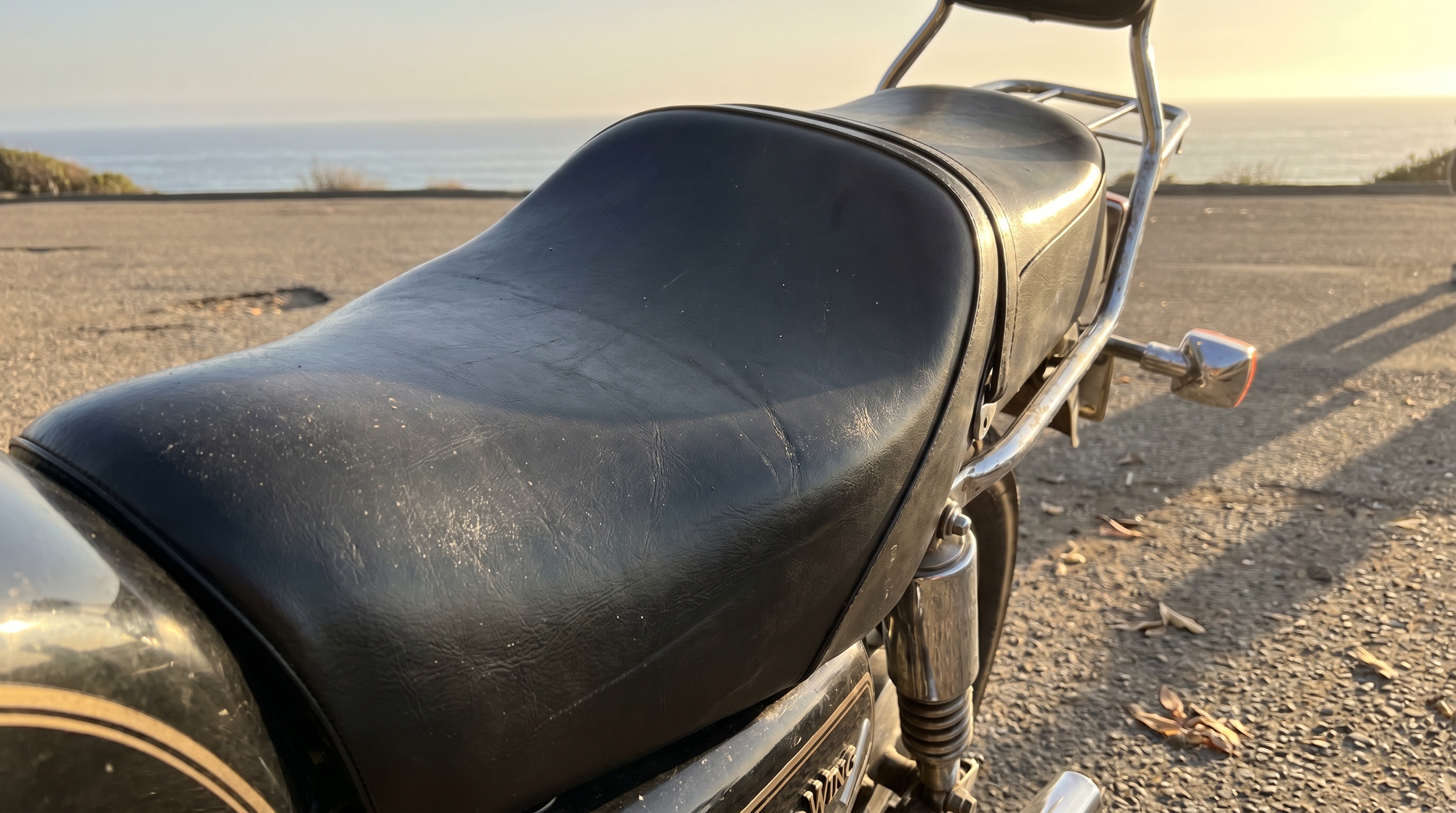
Material decides everything: how hot the seat gets, how it drains after rain, and how long it lasts before it cracks or sags. Here is how the common options compare for long days.
| Material | Heat behavior | Water | Long haul feel |
|---|---|---|---|
| Stock vinyl | Bakes in the sun, holds heat | Sheds water but stays slick | Numb spots build fast |
| Gel pad | Absorbs and holds heat | Traps water on top | Soft early, warms up under you |
| Sheepskin | Warm, better suited to cool weather | Soaks and dries slow | Plush but heavy when wet |
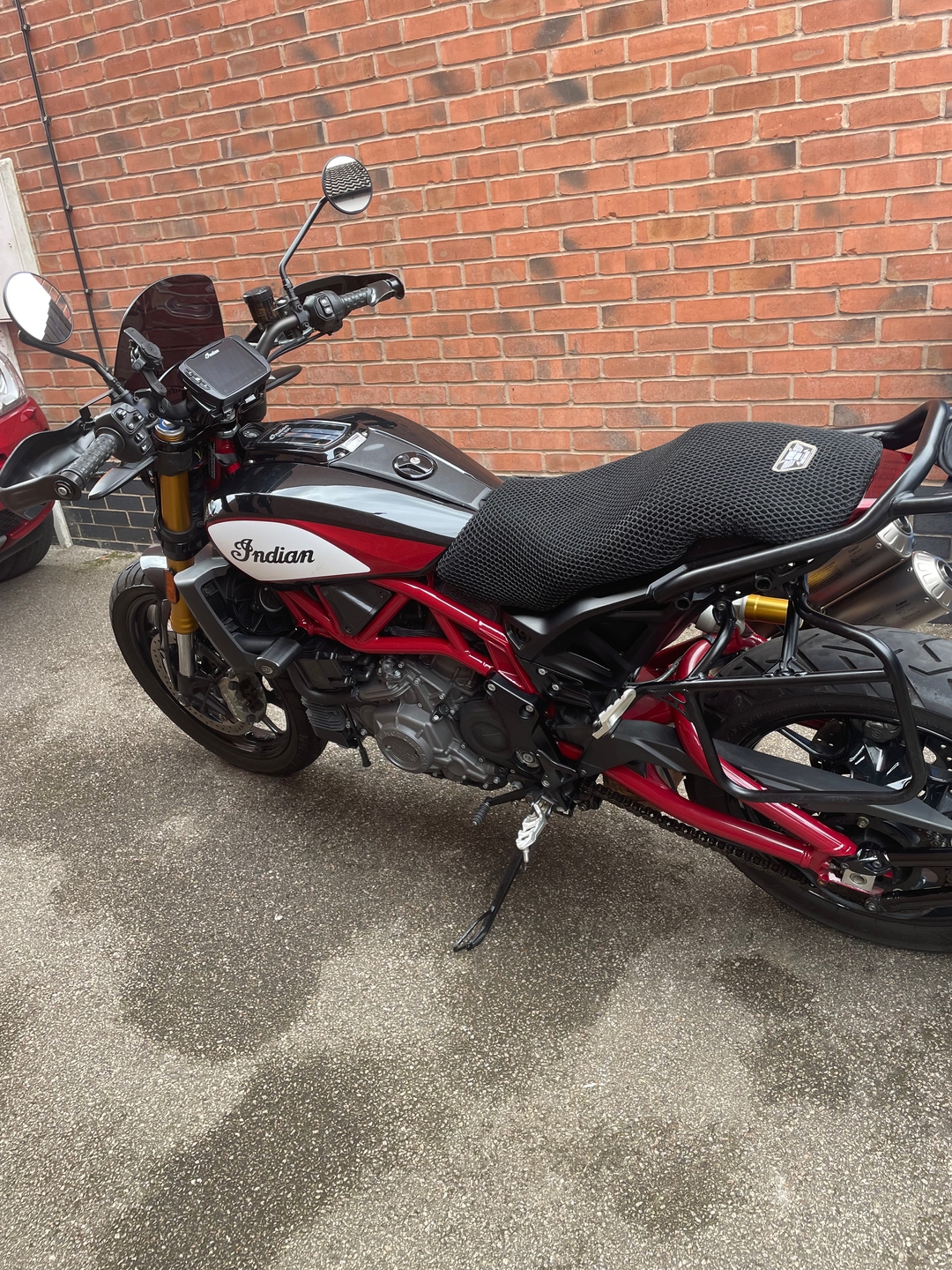
| 3D mesh | Runs far cooler than baked vinyl | Drains through the weave | Spreads weight, air keeps moving |
A quick word on the waterproof question. Riders search for a motorcycle seat cover waterproof enough to survive a downpour, but waterproof and comfortable pull in opposite directions. A sealed cover traps sweat against you on a hot day. The smarter goal for touring is a cover that drains fast so you are not sitting in wet jeans an hour after the storm passes. We go deeper on materials and the tradeoffs in our guide on how to pick the right one, worth a read before you spend anything: how to pick the right motorcycle seat cover.
Sheepskin has real fans, and it earns its place when the weather turns cold. In summer heat it is a different story. We laid out the honest summer case in our breakdown of whether a sheepskin seat cover holds up in summer.
Fit That Matches Your Bike
A saddle cover only works if it hugs your seat. A loose cover slides in corners, bunches under you, and looks sloppy. This is where a lot of cheap universal covers fall down. They stretch over anything, which means they fit nothing well.
Fit comes in a few flavors:
- Universal covers. One shape stretched to fit many seats. Cheap, easy to find, rarely tight.
- Model cut covers. Cut to the exact shape of your seat, so the edges follow the seam and the cover stays put.
- Full replacement seats. A different path entirely. You buy a new seat, not a cover. More money, more downtime.
Touring riders on baggers have extra fit questions because of all the gear back there. If you run motorcycle rear seat luggage or a Saddlemen tour pack backrest, you want a front seat cover that ends clean at the seam and does not fight your passenger setup. A model cut cover handles that far better than a stretchy universal one. When you look at any cover, check that it is made for your exact bike and year, not just your brand.
How do I know a saddle cover will fit my bike?
A saddle cover fits your bike when it is cut to your exact model and year, not stretched to fit many seats. Model cut covers follow the seat seam and stay tight through corners. Universal covers save money up front but tend to slide and bunch, which is why touring riders lean toward a cover built for their specific machine.
Price vs Value for Long Haul Riders
Cheap and expensive both hide traps. A bargain universal cover feels like a win until it slides on your first twisty road. A full seat rebuild or a custom saddle can run into serious money and takes your bike off the road while it ships and installs.
Think in terms of cost per comfortable mile, not sticker price. Ask yourself a few things before you buy:
- Does it change how the seat feels when I ride, or only protect it when parked?
- Is it cut for my exact bike, or stretched to fit anything?
- How does it handle heat when the bike has been parked in the sun?
- Does water drain through it, or pool on top?
- Can I put it on and take it off myself without a shop visit?
- Is there a return window if it does not work for me?
A motorcycle seat cover replacement skin, a gel pad, and a mesh cover all sit at very different price points and do very different jobs. Match the spend to the problem. If your seat is cracked and ugly, a cover hides that damage for a fraction of a reupholster. If your seat is fine but hot, you are paying for airflow and comfort, not repair.
Put simply, the right motorcycle saddle cover pays for itself in comfort over a single long tour. Weigh any motorcycle saddle cover on fit, heat handling, water drainage, grip, and a real return window, and skip anything that only shields the seat while the bike is parked. For riders stacking on the miles, the best cover is one you can fit yourself, trust at highway speed, and leave on ride after ride.
Where Wind Rider Fits in Your Shortlist
For touring riders who want the ride to feel better, not just look better, the Wind Rider mesh seat cover belongs on the short list. It is a cover that goes over your existing seat, so you keep the seat you have and change the surface you sit on.
The open 3D mesh is a ventilated weave raised above the seat. Instead of sitting on scorching vinyl, you sit on the mesh and the air held inside it. That means it is far cooler the moment you climb on a bike that has baked in the sun, and air keeps moving under you as you ride. The weave drains water instead of holding it, so a rain shower does not leave you in wet jeans for the next fifty miles. The mesh grips in corners instead of sliding, and it spreads your weight to take load off your sit bones on a long day. If the mechanics of the weave interest you, we broke it all down in our piece on how a mesh motorcycle seat cover actually works.
Each cover is cut to your specific bike model, so it follows the seat and stays put. Installation takes about 5 minutes with velcro straps that loop under the seat. No tools, though you do remove the seat to run the straps. Shipping is free worldwide and there is a 30 day guarantee, so if it does not suit your riding you can send it back for a full refund.
Ready to see if there is a cut for your machine? Check fit for your bike and read the details on the Wind Rider product page, then get your seat sorted before your next long haul.
About the author: Rick Donovan. Touring rider, 25 years on Harleys, writes about long-haul comfort and the gear that earns its place on a long ride.