 Log in


Mesh Motorcycle Seat Cover: How It Actually Works
A mesh motorcycle seat cover solves one problem most riders learn the hard way: a factory seat that turns into a hotplate after an hour in the sun. By the time US summer heat peaks in June, that stock seat traps your body heat, soaks up sweat, and starts the hot seat dance at every fuel stop. This post breaks down how a mesh cover actually works, why the gap between you and the seat matters, and what to expect on a 90 degree riding day.
This is a fair look at the category, not a sales pitch. If you are weighing a mesh cover against sheepskin or a gel pad, you will leave knowing exactly what each one does and why.
The Problem a Mesh Seat Cover Is Designed to Solve
Your stock seat is a sealed slab. The vinyl cover sits flat against your body, so there is nowhere for heat to go and nowhere for sweat to escape. Park in the sun for ten minutes and the surface gets too hot to touch. Ride in it for an hour and your jeans soak through.
Riders deal with this in ways that do not really work. Standing on the pegs gives you a few seconds of relief, then you sit back down on the same hot vinyl. A wet bandana under your seat lasts one stop. Pouring water on the seat at a gas station buys you maybe ten minutes before the heat builds again.
The root cause is contact. Anywhere your body presses flat against the seat, heat has no path out and air cannot move. A motorcycle cooling seat cover attacks that single point: it breaks up the flat contact so air can do its job.
How Raised 3D Mesh Creates an Air Channel Between You and the Seat
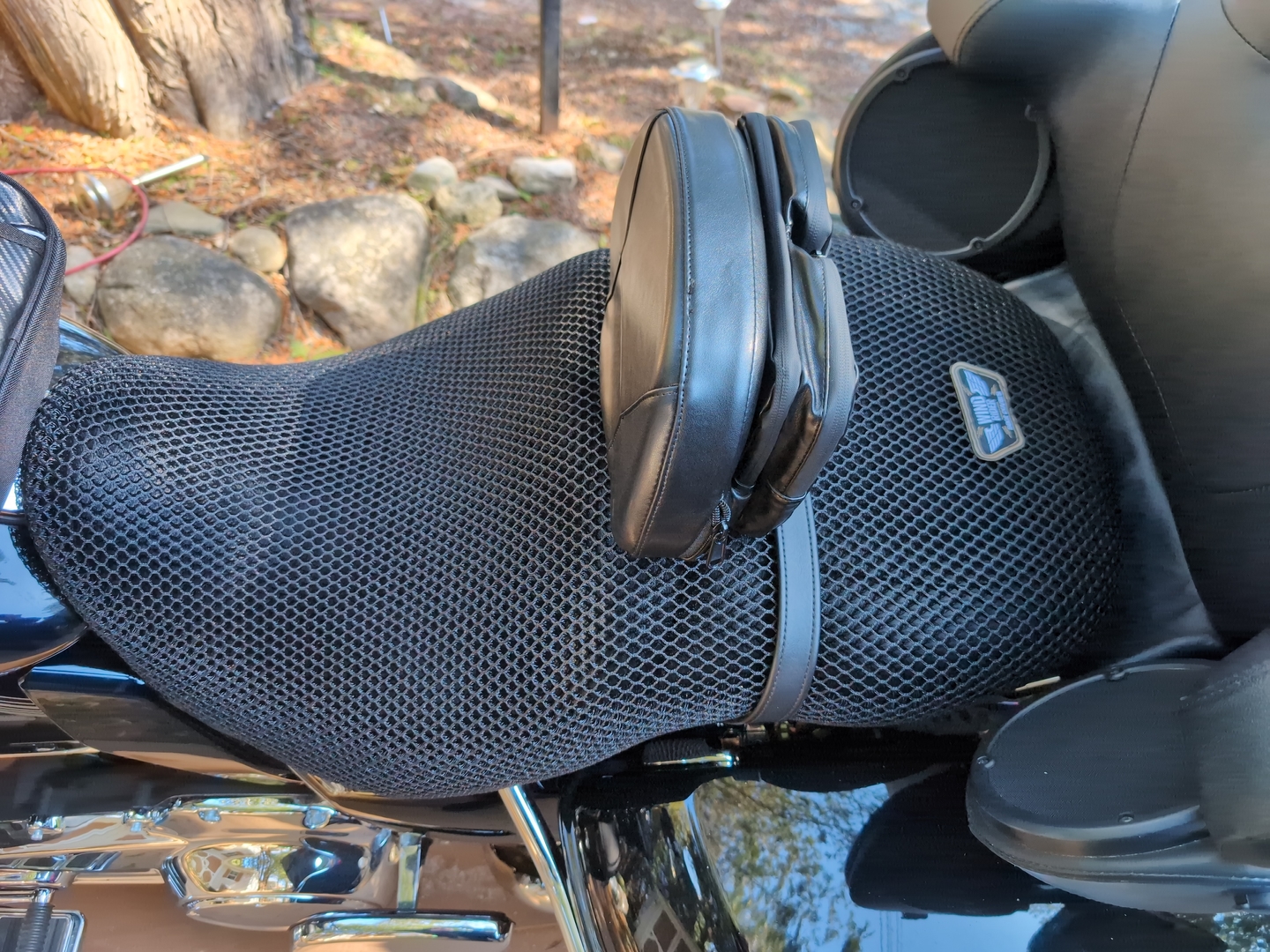
A 3D mesh motorcycle seat cover is built from a thick spacer fabric. Picture two layers of fabric held apart by thousands of tiny vertical threads. That structure does not crush flat under your weight the way a flat fabric would. It holds its shape, which keeps a layer of open space between your body and the seat surface.
That open space is the whole point. Instead of sitting directly on hot vinyl, you sit on top of an air channel. As you ride, air moves through that channel under you. Moving air carries heat away from your body and the seat, and it lets sweat evaporate instead of pooling against your jeans. You can read more about how this air gap works on the Wind Rider cool ride breakdown.
This is the same idea behind the breathable mesh on a good riding jacket. The fabric is open enough to let air pass through, but structured enough to hold a gap even with pressure on it. On a seat, that gap is what keeps the surface from acting like a sealed oven against your body.
How Do Mesh Seat Covers Work?
Mesh seat covers work by holding a raised layer of open space between the rider and the factory seat. The thick spacer fabric resists crushing flat under body weight, so air keeps moving through the channel underneath. That moving air carries heat away from the seat and lets sweat evaporate instead of soaking into your clothes.
Three things happen at once when that air channel stays open:
- Less direct contact between your body and the hot seat surface.
- Air moving under you instead of trapped heat building up.
- Sweat evaporating in the moving air instead of pooling against your jeans.
Flat Mesh vs Raised Mesh: Why the Gap Height Matters
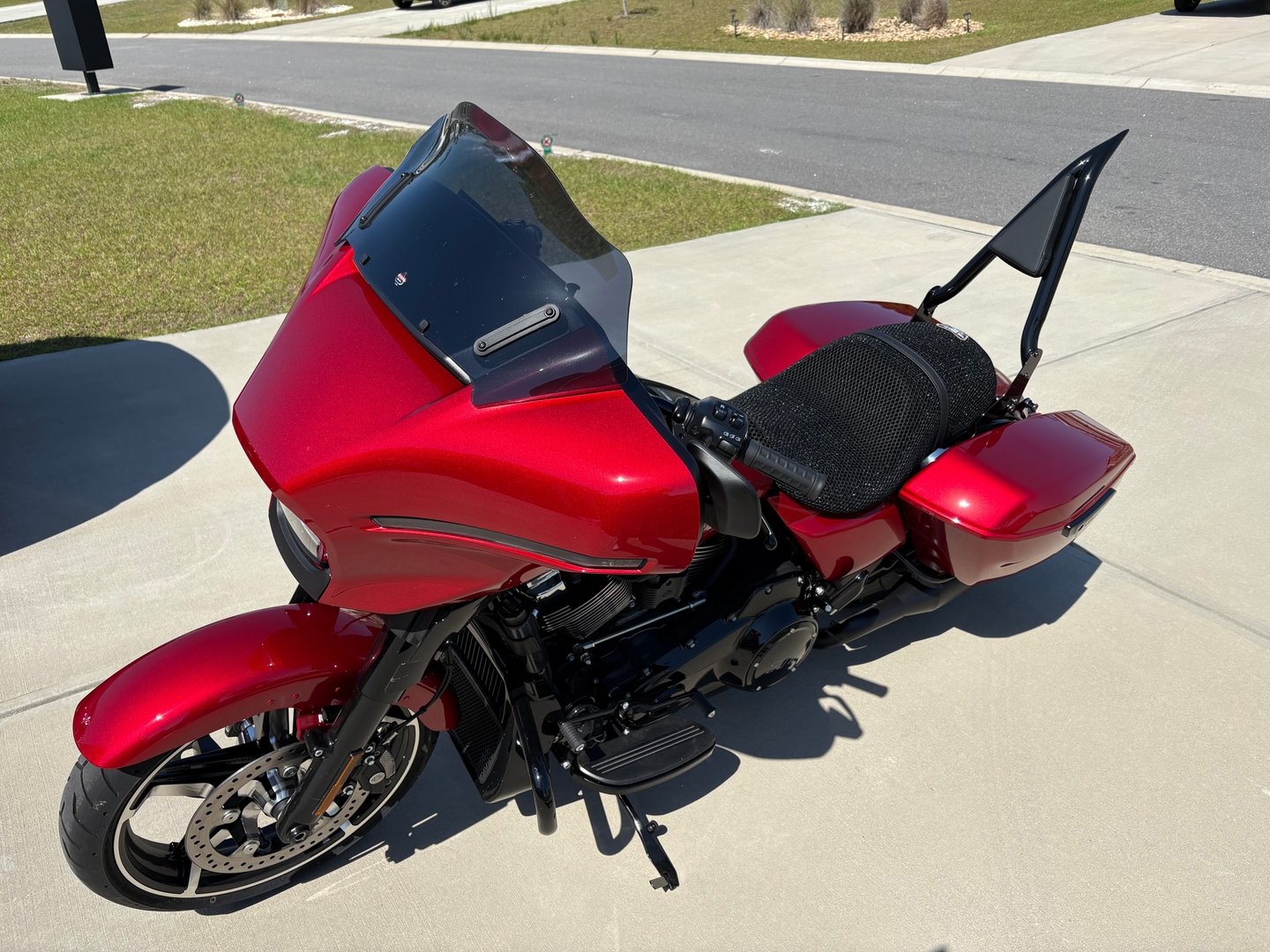
Not every mesh cover is built the same, and this is where a lot of cheap options fall short. A thin, flat mesh cover looks the part but flattens out the moment you sit on it. Once it crushes flat, there is no air channel left. You are basically sitting on a slightly textured version of the same vinyl.
Raised 3D mesh is different because of how the spacer fabric is constructed. The vertical threads between the two fabric layers act like tiny columns. They carry your weight without collapsing, so the gap stays open even with a fully loaded rider on a long day. That structural height is the difference between a cover that moves air and one that just sits there.
When you compare air flow motorcycle seat covers, the question to ask is not whether it has mesh. It is whether the mesh holds its height under load. A 3D mesh motorcycle seat cover is engineered to keep that channel open mile after mile. A flat one gives you a nice feeling for the first five minutes, then quits.
If you want a deeper walk through the buying side of this, our guide on the best mesh motorcycle seat cover for long summer rides covers what separates a serious touring cover from a gimmick.
Mesh vs Sheepskin vs Gel: What Each One Actually Does
Riders often cross shop these three, so here is an honest breakdown. Each has a real use case.
| Option | What it does well | Where it falls short |
|---|---|---|
| 3D raised mesh | Holds an air gap, runs cooler in heat, sheds sweat, lets water drain through | Not a plush cushion. It works with your seat, not as padding |
| Sheepskin | Soft feel, spreads weight, breathes better than vinyl in mild weather | Soaks up rain and sweat, gets hot in peak summer, needs more care |
| Gel pad | Cushions over a firm seat for shorter rides | Traps heat, can feel hard once it warms up, adds bulk |
Sheepskin deserves a fair word here because a lot of riders search for sheepskin for motorcycle seat setups and a sheepskin bike seat cover. A real wool sheepskin motorcycle seat pad feels great in spring and fall, and riders on touring BMWs often look for bmw sheepskin seat covers for that reason. The trade is heat and water. Wool holds warmth, which is the last thing you want when summer peaks, and a soaked sheepskin pad takes a long time to dry after rain. If you are shopping for the best sheepskin motorcycle seat cover purely for cool weather comfort, it can earn its place. For hot weather, the airflow approach wins.
Gel pads are the other common cross shop. We dug into whether they live up to the hype in our look at motorcycle gel pad seat covers and whether they really help. The short version: gel cushions, but it does nothing for heat, and warm gel can feel like a brick on a long day.
What to Expect From a Mesh Cover on a 90 Degree Riding Day
Here is the honest picture, because nobody likes a cover that overpromises. A mesh cover will not turn a 90 degree day into a cool one. What it does is take away the worst part: the hot, sweaty, sealed feeling of sitting on baking vinyl.
With the air channel doing its job, the seat surface runs noticeably cooler than bare vinyl in the sun, because heat is not trapped against a flat surface. You stop doing the hot seat dance at fuel stops. Your jeans stay drier because sweat has somewhere to go. And when you hit a rain shower, water drains through the mesh instead of sitting in a puddle you have to mop up before you ride off.
The real win shows up over distance. The first hour of a hot ride is bearable on almost any seat. It is hour three and hour five where trapped heat and soaked clothing wear you down. Keeping air moving under you reduces that slow buildup of fatigue, so you arrive less cooked. If you are still deciding which style suits your riding, our guide on how to pick the right motorcycle seat cover walks through it step by step.
Wind Rider 3D Raised Mesh Covers Built for Touring Riders
The Wind Rider mesh seat cover is built around the raised 3D mesh idea done right. The spacer fabric holds its height under a loaded rider, so the air channel stays open through a full day in the saddle, not just the first few minutes. That is the design choice that separates it from flat covers that crush down and quit.
A few things touring riders care about. It is cut to your specific bike model, so it fits clean instead of bunching like a one size cover. It installs in about five minutes with velcro straps that loop under the seat, no tools needed once you have the seat off. It drains water after rain, grips you in corners instead of letting you slide, and adds a layer of comfort over a firm or even a cracked stock seat. You can see fitment for your bike and how the design works on the Wind Rider product page.
It ships free worldwide and comes with a 30 day guarantee, so you can run it on a real ride and send it back for a full refund if it is not for you. With summer heat building toward its peak, now is the time to get one fitted before the long rides start. Check availability for your bike on the Wind Rider product page and ride cooler this season.
About the author: Rick Donovan. Touring rider, 25 years on Harleys, writes about long-haul comfort and the gear that earns its place on a long ride.