 Log in


Lambskin Motorcycle Seat Cover: Comfort and Care
A lambskin motorcycle seat cover has a look and feel that fits a classic bike. The wool sits soft under you, the seat breathes better than bare vinyl, and it gives an old ride a finished touch. If you run a vintage machine, a lambskin seat cover is one of the oldest tricks for a softer day in the saddle. But it comes with real care duties, and modern mesh has changed the math. Here is what lambskin does well, where it falls short, and how to keep it lasting.
Anyone who has walked the rows at AMA Vintage Motorcycle Days knows the crowd. Old iron everywhere, swap meet tables full of parts, and plenty of talk about what makes a long day tolerable. Seat comfort comes up every time.
Why Lambskin Feels Good on a Classic Bike
Lambskin is tanned hide with the wool left on. The wool pile lifts you off the seat pan a little and spreads your weight over a wider area. That is the whole appeal. On a vintage bike with a thin, hard factory seat, even a small layer of give makes a difference.
The look matters too. Genuine sheepskin ties into the era of a lot of older machines. It reads as period correct in a way that a synthetic pad never will. Riders who spent time and money getting a bike right often want a seat that matches the rest.
Wool also handles temperature swings in its own way. It does not bake into a stovetop the way bare vinyl can, and it holds less heat off a baked seat than solid material. But it is not a cooling layer either. Under a hot sun the pile still warms up, and the tight backing under the wool can trap heat and sweat over a long day.
Comfort Benefits for Vintage Riders
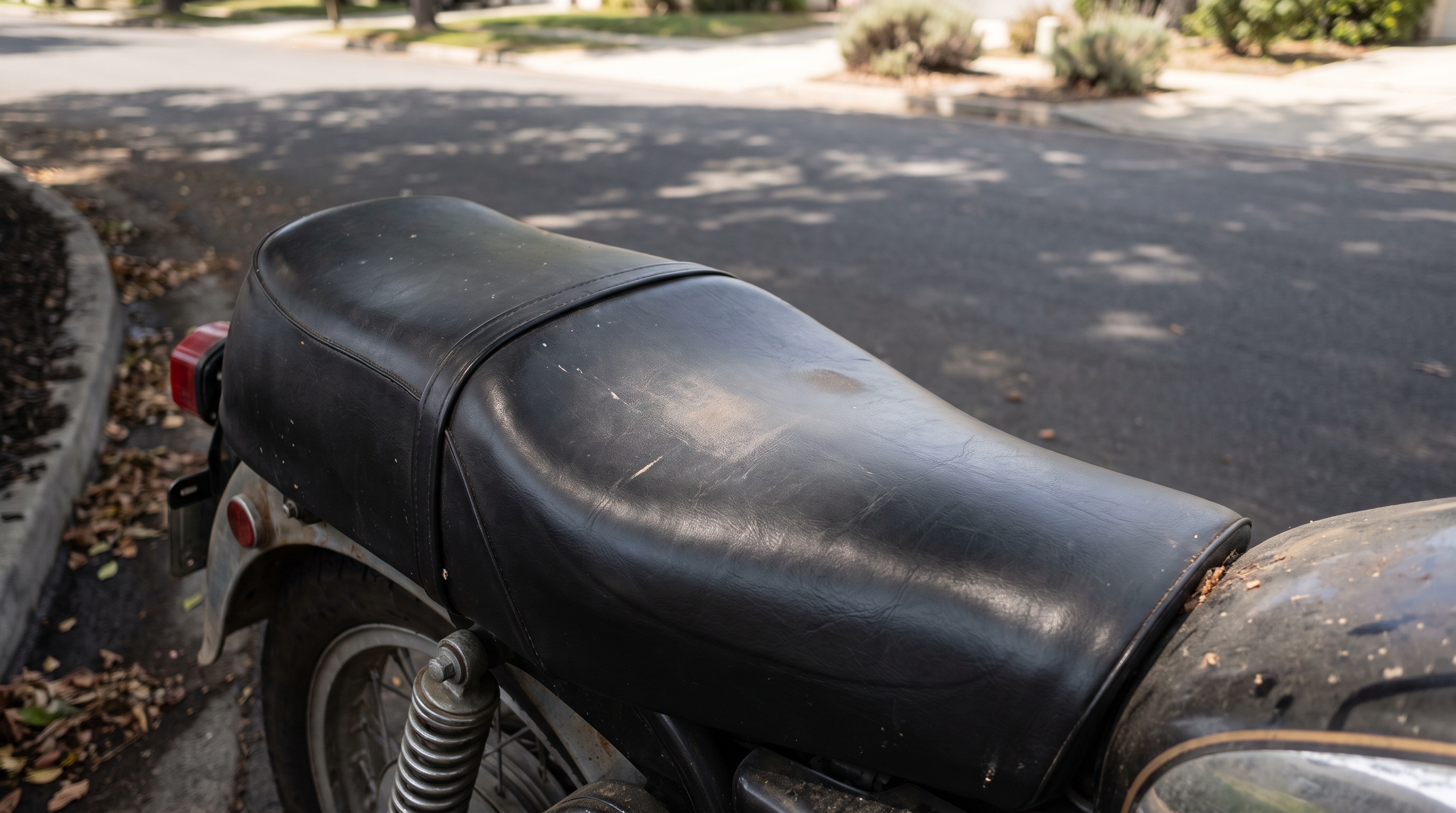
Most vintage seats were built for looks and cost, not for a long day. The foam is often flat and the seat fabric is thin vinyl stretched tight. After a few hours you get the numb bum, the hot spots, the constant shifting. A lambskin layer takes some of that edge off.
Here is where a lambskin motorcycle seat cover earns its keep:
- The wool pile adds a little cushion between you and a hard seat pan.
- It spreads pressure off your sit bones instead of loading one spot.
- The soft surface cuts down on the sit and shift routine over long miles.
- It gives a tired old seat a clean, finished look without a full motorbike seat recover job.
- It covers up a cracked or faded cover so you skip a full motorcycle seat cover replacement.
That last point is a big one for high mileage riders. A lot of us would rather cover an ugly seat than pay a shop for a full reupholster. Lambskin hides a lot of duct tape sins.
Comfort is honest, though. Lambskin adds a little give and helps with pressure over distance. It is not a magic plush pillow, and it does not turn a bad seat into a good one. The riders who get the most out of it are the ones who already had a decent seat shape and just wanted to soften the surface.
Keeping Lambskin Clean and Lasting
This is the part most riders learn the hard way. Real lambskin needs care, and it does not love the weather your bike lives in.
Rain is the enemy. Wool soaks up water and holds it. Sit on a lambskin cover after a downpour and you get that puddle trapped between your legs feeling, only worse, because the pile stays damp for hours. Wet wool also starts to smell if it never fully dries. A soaked lambskin seat is a long, cold ride home. If you ride in real weather, you need a plan for rain, and a motorcycle seat cover that is truly waterproof solves that problem in a way lambskin cannot.
To keep lambskin in shape:
- Brush the wool out with a soft brush to keep the pile standing up.
- Spot clean with a wool safe cleaner. Skip harsh soap that strips the natural oils.
- Air dry away from direct sun and never near a heater. Heat cracks the hide backing.
- Keep it out of the rain. Pull it off or cover the bike when a storm rolls in.
- Store it somewhere dry in the off season so it does not mildew.
Done right, a quality sheepskin lasts years. Neglected, it mats down, stiffens, and starts to smell. For riders who want a seat surface they can hose off and forget, that upkeep is a lot to ask. If keeping a seat dry is your main worry, our guide on how a good motorcycle seat rain cover keeps your seat dry all summer is worth a read before you commit to wool.
Lambskin vs Modern 3D Mesh Seat Covers
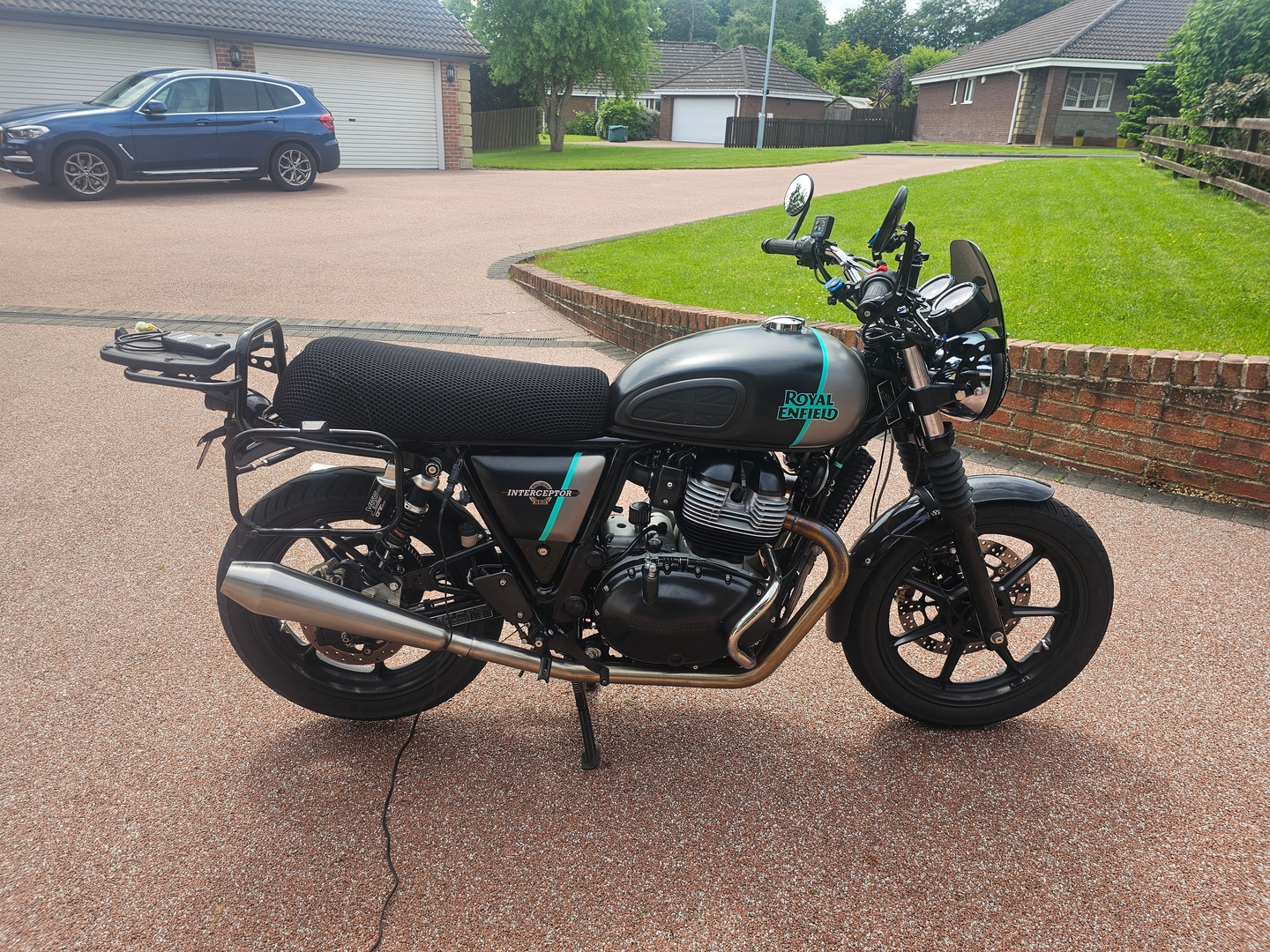
Lambskin and 3D mesh both sit on top of your factory seat, but they solve the seat problem in opposite ways. One traps a soft layer against you. The other lifts you up and lets air move under you.
| Feature | Lambskin | 3D Mesh |
|---|---|---|
| Heat off a baked seat | Warms in the sun, holds heat in the pile | Sits far cooler than baked vinyl, air keeps moving |
| Rain | Soaks and holds water, slow to dry | Drains through, seat stays usable |
| Care | Brush, wool cleaner, keep dry, off season storage | Rinse and go |
| Look | Period correct on classic bikes | Modern, low profile |
| Grip in corners | Wool can be slick when matted | Anti slip texture holds you in place |
How does 3D mesh work?
A 3D mesh seat cover works by creating a raised airflow layer between the rider and the factory seat. The open weave holds you off the hot seat surface so air moves underneath you as you ride and water drains straight through. You sit on the mesh and the air in it, not the scorching vinyl.
That mechanism is why so many riders who chase summer comfort end up on mesh. If you have ever wondered why your motorcycle seat gets so hot in summer heat, the short answer is that solid seat fabric bakes in the sun and then presses that heat straight into you. Lambskin softens the surface but does little for that trapped heat. Mesh lifts you off it.
None of this means lambskin is wrong. On a slow Sunday cruiser that lives in a garage and only sees dry days, wool is a fine choice and looks the part. But for a rider putting on real miles in real weather, the care load and the rain problem push a lot of us toward mesh.
Beyond the Seat: Dressing a Vintage Bike Right
Seat surface is one piece of the comfort and looks puzzle on an older machine. A lot of vintage riders sort the whole cockpit at once. A clean motorbike seat cowl finishes the tail on a cafe or sport style build. Riders running touring rigs sort their motorcycle rear seat luggage and a saddlemen tour pack backrest so a passenger has support on long days. Others add saddlebag lid covers or motorcycle hard covers to protect paint from years of road grime.
Seat fabric choice sits right in the middle of all that. Whether you go lambskin, a fresh vinyl recover, or a mesh layer over the top, the goal is the same: a seat you can ride all day without the sit and shift dance. Some riders even add a bead motorcycle seat cover or a fresh grain vinyl for grip and looks. The right motorcycle seat fabric depends on how and where you actually ride, not just how the bike looks parked at a show.
Heat is the other half of the story. Parking a classic bike in a summer lot means coming back to a seat too hot to touch. Our rundown of motorcycle seat shade tips for hot parking lot days covers the simple habits that keep a baked seat from ruining your first mile back.
How Wind Rider Keeps Vintage Rides Comfortable
If the lambskin care routine sounds like more than you want to deal with, the Wind Rider mesh seat cover is the low fuss route to the same comfort goal. It slips over your existing seat, so there is no full reupholster and no shop bill. The open 3D mesh lifts you off the seat, so you sit far cooler on a baked seat, air keeps moving under you as you ride, and rain drains straight through instead of pooling in the pile.
It installs in about 5 minutes with velcro straps that criss cross and loop under the seat. No tools, though you do need to pull the seat off first. Each one is cut to your specific bike, from a classic Harley or Goldwing to a modern touring rig. It covers a cracked or faded seat, adds anti slip grip in the corners, and gives you a comfort layer over distance. Shipping is free worldwide and it is backed by a 30 day guarantee, so you can send it back for a full refund if it is not for you.
Putting on summer miles on your classic? Check fit for your exact bike on the Wind Rider product page and see if a mesh layer beats the lambskin care routine for how you ride.
About the author: Rick Donovan. Touring rider, 25 years on Harleys, writes about long-haul comfort and the gear that earns its place on a long ride.