 Log in


Motorcycle Rear Seat Luggage for Long Hauls
Loading up for a week on the road means one thing gets buried fast: your passenger seat. Motorcycle rear seat luggage is where most of your gear ends up on a long haul, strapped down behind you and holding steady mile after mile. Pack it wrong and you get a wobbly load, a scratched seat, and a rear perch too cluttered to carry a passenger. Pack it right and you barely notice it is back there.
This guide covers how to load the rear seat smart, what luggage options actually hold up, how to keep the seat under it from getting torn up, and how to keep that back seat usable for two up days.
Packing Smart for a Long Haul
The rear seat is prime real estate. It sits low and centered, so weight there rides better than weight hung high or far back. Load heavy items low and forward, closer to your back, and keep the lighter stuff up top. A load that shifts around under braking will unsettle the bike right when you need it planted.
A few habits that save headaches on a 500 mile day:
- Pack the stuff you need at every stop where you can reach it without unstrapping everything.
- Balance side to side so the bike does not pull one way at speed.
- Cinch straps in a criss cross pattern so a single loose strap does not drop the whole load.
- Check every strap at the first fuel stop. Loads always settle in the first hour.
- Keep rain gear on top so you can grab it before the sky opens up.
If you tour through wet country, plan for it. We break down staying dry in our post on motorcycle seat cover waterproof tips for rallies, and the same thinking applies to your luggage. A soaked duffel adds weight and misery you do not need.
Rear Seat Luggage Options for Touring
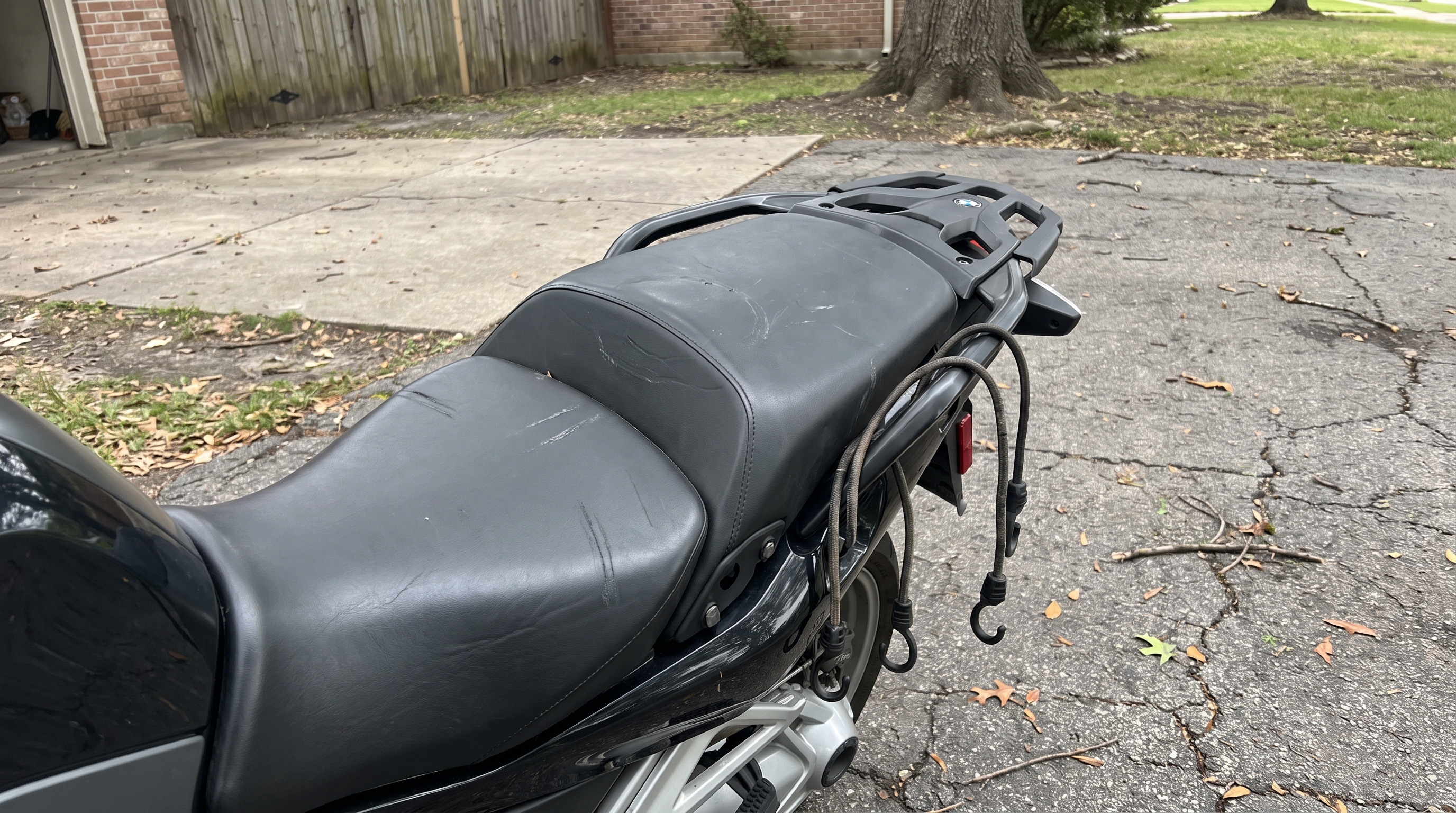
There is no single right answer here. What you carry depends on your bike, your miles, and whether you ride solo or two up. Here are the main choices touring riders reach for.
Soft Duffels and Roll Bags
A big roll bag or duffel strapped across the rear seat is the classic long haul setup. It is cheap, holds a ton, and molds to whatever you pack. The downside is it sits right on your seat, so straps and buckles rub the surface all day. Rain gear or a dry bag liner keeps the contents dry when the weather turns.
Tail Bags
Tail bags mount to the rear seat with straps and give you a structured shape that packs cleaner than a floppy duffel. Many have a rigid base that spreads the load and takes some rub off the seat. Good middle ground for riders who want quick access without a full hard case.
Tour Packs and Hard Cases
Baggers and dressers often run a top case behind the passenger. A saddlemen tour pack backrest setup lets a passenger lean back while the case swallows a weekend of gear. Hard cases lock, shed rain, and keep their shape, but they cost more and add weight up high. Pair them with saddlebag lid covers if your bags are showing wear and you want a clean look on a road trip.
Sissy Bar Bags
If you run a sissy bar or backrest, a stacked bag setup rides tall and clears the seat surface. It keeps weight off the seat itself, which matters if you have covered up an old damaged seat and do not want straps grinding on it.
Protecting Your Seat Under a Load
Here is the part most riders learn the hard way. Straps, buckles, and hard bag edges chew up a seat over thousands of miles. The vinyl scuffs, the stitching frays, and before long you are looking at a motorcycle seat cover replacement you did not budget for.
A stock seat has thin factory vinyl that was never built to take daily strap abrasion. Once it cracks or tears, water gets into the foam and the whole seat goes soft and soggy. That is why so many high mileage riders end up shopping for harley davidson motorcycle replacement seat covers or hunting down the right motorcycle seat fabric to patch things up.
You have a few ways to keep the seat under your load in one piece:
- Slip a soft layer, like a towel or a cover, between the seat and any hard strap or buckle.
- Route straps so buckles land on the bag, not on the vinyl.
- Check the seat surface at fuel stops for early rub marks before they become tears.
- If the seat is already worn, cover it before a big trip rather than after.
A tough cover over the seat takes the abrasion so the original vinyl does not. It also hides the duct tape sins on a seat that has already seen 100,000 miles. Riders restoring an older bike will find more on matching materials in our guide to custom motorcycle seat covers for vintage rebuilds.
Keeping the Passenger Seat Usable
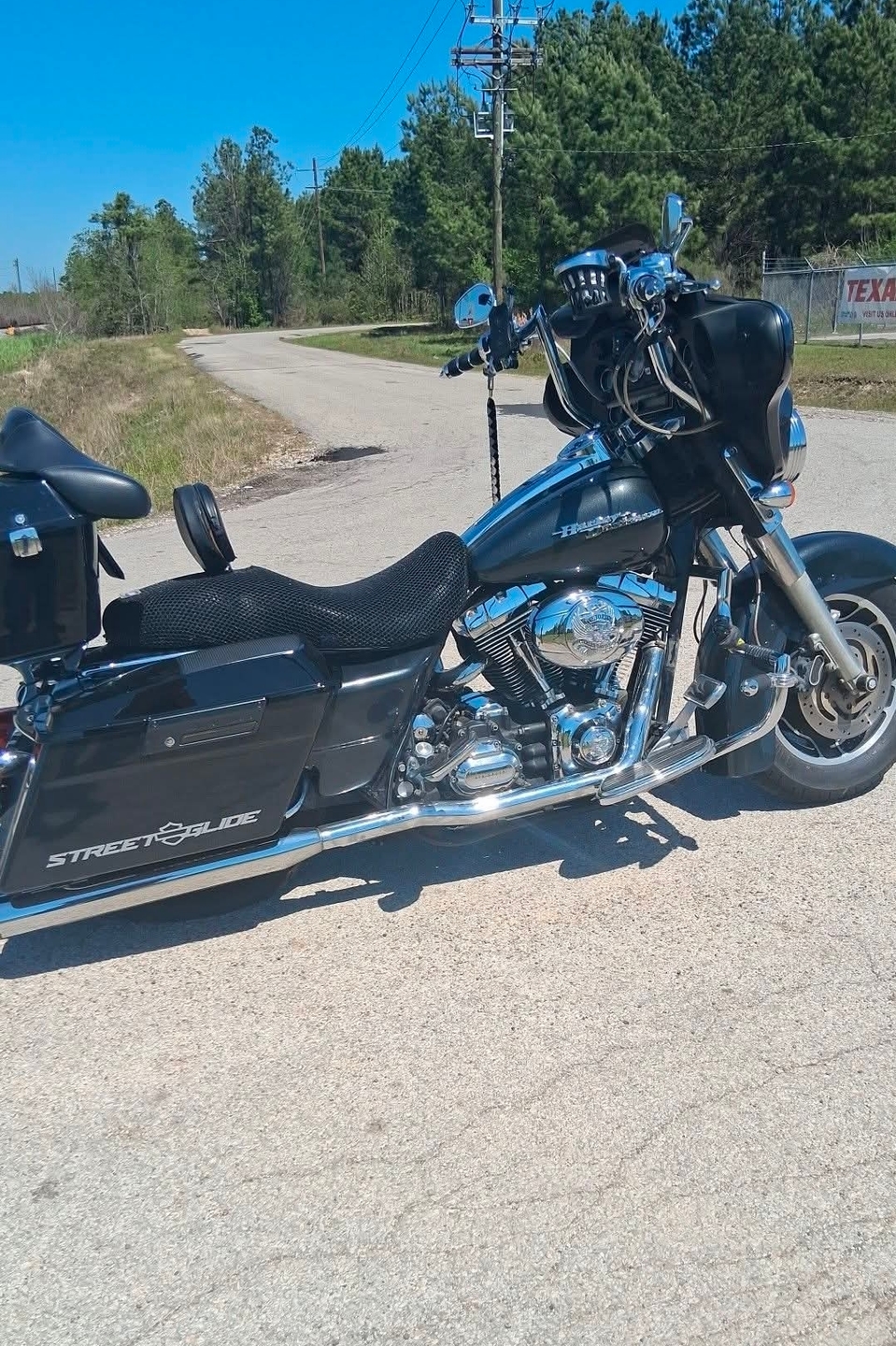
If you ride two up part of the trip, you cannot bury the rear seat under a permanent load. The trick is a setup you can strip down in a couple of minutes when your passenger climbs on.
Tail bags and duffels that mount with quick straps come off fast, and a tour pack lets a passenger ride while your gear stays stowed. Some riders run a motorbike seat cowl for solo stretches, then swap it for the passenger pillion when your passenger joins for a leg. Whatever you use, think about how quick the changeover is before you leave.
Passenger comfort matters too. A back seat that has been baking in the sun all afternoon is brutal to sit on, and a passenger sliding forward under braking is a two up nightmare. A grippy cover with real airflow keeps the seat cooler at the stop and gives your passenger something to hold their spot on. A motorcycle seat shade cover or a raised mesh layer takes the sting out of a seat that sat in a parking lot all day.
How Do You Protect a Motorcycle Seat on a Long Trip?
Protect a motorcycle seat on a long trip by covering the vinyl before you load gear, routing straps and buckles onto the bags instead of the seat, and checking for rub marks at every fuel stop. A tough cover over the stock seat takes the strap abrasion, sheds rain, and keeps water out of the foam underneath.
Why Riders Add a Wind Rider Mesh Seat Cover
When you are hauling gear across the country, the seat itself is the last thing you want to worry about. The Wind Rider mesh seat cover is shaped for your specific bike model and installs in about 5 minutes with velcro straps that loop under the seat. You do have to pull the seat off first, but there are no tools and no drilling.
It does more than one job on a long haul. The open 3D mesh sits raised above the seat, so it holds far less heat than bare vinyl and does not bake into a stovetop while you are parked. You sit on the mesh and the air in it, not the scorching seat, so it is far cooler the moment you get on, and air keeps moving under you as you ride. It drains rain right through instead of trapping a puddle between your legs. It grips in the corners so a passenger stays put. And it covers a cracked or worn seat so you can push off that harley seat cover replacement for another season.
Shipping is free worldwide and every cover is backed by a 30 day guarantee, so you can send it back for a full refund if it is not right. Looking for a solid gift for the touring rider in your life? Our Father's Day gift ideas for the motorcycle rider post has more options worth a look.
Ready to keep your seat cool, dry, and covered under a full load? Check fit for your bike on the Wind Rider product page and get set for your next long haul.
About the author: Rick Donovan. Touring rider, 25 years on Harleys, writes about long-haul comfort and the gear that earns its place on a long ride.